Live Art Writers Network x Linha de Fuga 2025 – Reflections, Collective Writing & Commissions
The Coimbra/Baixo Mondego region, in central Portugal, is home to a small variety of organisations, festivals, collectives and residency spaces that function intersectionality across the region. They provide unique cultural offers beyond the usual mainstream programming and often join forces to share resources and support between them. When we were in residency at the nearby Citemor Festival 2024, Paulo Pinto and Dori Nigro wrote about a ‘network of affections’ in how the ecology of cultural structures and people operate in an otherwise scarce region for cultural opportunities and resources. Festivals like Citemor and Linha de Fuga, residency spaces like O Lugar do Meio and Reflexo Azul, are all interlinked in this way. It is a way to survive: you support and collaborate, you don’t ‘compete’. You build networks and pathways between bodies, villages and performance spaces, between the local and the international. You build friendship and comradeship as a central modus-operandum.
Having worked in the region for the past four years, we have slowly built connections and understandings of this way of working, and it is through the lens of friendship that we took on the invitation from Catarina Saraiva, Linha de Fuga Festival’s Director, to curate a small, situational yet durational programe for its’ 2025 edition.
As primarily a dance and performance festival, with all the intersections of those categorisations, Linha de Fuga focuses on the close development of artists’ practices by working with and developing projects in the historic city of Coimbra for the full month of November. The Laboratory programme is expansive with the artists in residence engaging in broad and exaustive processes, working alongside and often with local and international artists in ways that are nurturing, challenging and also sometimes disruptive. The impetus is for the festival and its structure to function as sort of incubators of artistic experimentation, to create connections, provide space and perhaps to continue to build affective infrastructure across a city that otherwise finds its various communities quite isolated. It’s an immense task, but the festival has been successfully building and embedding itself in the region over the past 5 editions, with care, dedication and creativity under the guidance of Catarina.
Linha de Fuga works with a theme each year, which travels across not just the programming of the shows themselves but also, and perhaps more importantly, in how the work, the artists and the communities are interconnected, but also perceived. This year, the theme of ‘the performativity of friendship’ gave us a wide range of approaches and methodologies to reflect on our curatorial approach, and also to critically engage with the theme itself.
Our Live Art Writers Network project seemed like a perfect fit, so we called on colleagues and friends who have connected with project over the years from close and from afar (Claudia Galhós, Pedro Vilela, Performing The Arquive, Ed Freitas and Fehras Publishing Practices) to develop a programme of laboratories and accompaniment of the festival that could provide multidisciplinary and multifaceted spaces that could foster collectivity and community, of creating knowledge together and provoking what critical writing might be. We spread our curatorial thinking in two ways: a situated, Laboratory approach, alongside two long-gestating and durational forms of reflecting, critical thinking and creating art works in response to the festival and its programming.
First, we ran two Laboratories open to anyone in the city and participants of the festival. The first, with Cláudia Galhós and Pedro Vilela, explored processes of collective critical writing in multidisciplinary ways, out of which the concept of Ping-Pong Criticism organically grew, as well as a multi-lingual and multidisciplinary text, both published below. The second lab with Paula Pinto/Performing The Arquive and Fehras Publishing Practices invited participants to explore tri-dimensional archival practices that challenge context and the way we think critically about history, the body and performance.
The other ways we thought about this invitation to perform our friendship was to invite our friend and colleague Ed Freitas to collaborate with me, Xavier, and accompany its programme, engage with its processes, and to embed ourselves in the flow, the spaces and the works created and presented in the festival. To watch every show and hold discussions with artists, audiences and passers by. To go for dinners with the festival’s temporary collective, experience it with our bodies and constantly provoke what we were perceiving, to write on notebooks and to leave behind flyers with notes scribbled on them. To go drinking at the gay-friendly bar and flirt with new friends found along the way, or hold each other in deep blue, grieving states while walking across the rainy city. Like friends do. The closeness to the festival team and Ed allowed this process to naturally grow across the festival.
Together, we agreed to disregard traditional critical form and to continue the explorations of critical multidimensional text that we started to develop in our works with Citemor and DDD Festivals, in which we explored embodied processes of creating critical responses. The body is always at the centre of the experience of art, be it in the city or in the lounge before the show, or during a performance in a dark room filled with blue and white smoke, or when sitting in the freezing cold of the city’s Botanic Gardens to watch a show. The body feels and responds, often in performative ways, surrounded by possible momentary bonds that might last through other mediums post-festival. Between us, our bodies respond together and often in drastically different ways. Sometimes the weight of the programme, personal tragedies, and the demand to provide an ‘outcome’ and ‘to be at every space’ sort of breaks us physically, intellectually and emotionally. Sometimes we feel reflected and angry at how our cities are being ravished for glutinous capitalist parasites, who buy our neighbourhoods and destroy our friendships by kicking us out in the name of profit.
Sometimes, we sense some balance and excitement, like when Joana Levi’s beautiful piece ‘Rasante’ gently bulldozed us through the huge amounts of filth and landfill that is the migration legal systems of Portugal. Strangely, this piece gave me hope perhaps not only because of its thematic propositions, but because of its form and just how excellent it was. Sometimes our bodies feel like they are being violently torn apart by existential dread activated by the sensorial confrontations that Jan Fedinger’s ‘land[e]scapes 4. redistribution of wealth by nature [working title]’ created.
Sometimes we simply don’t want to be there at all.
Sometimes only one of us goes.
Sometimes we resent it.
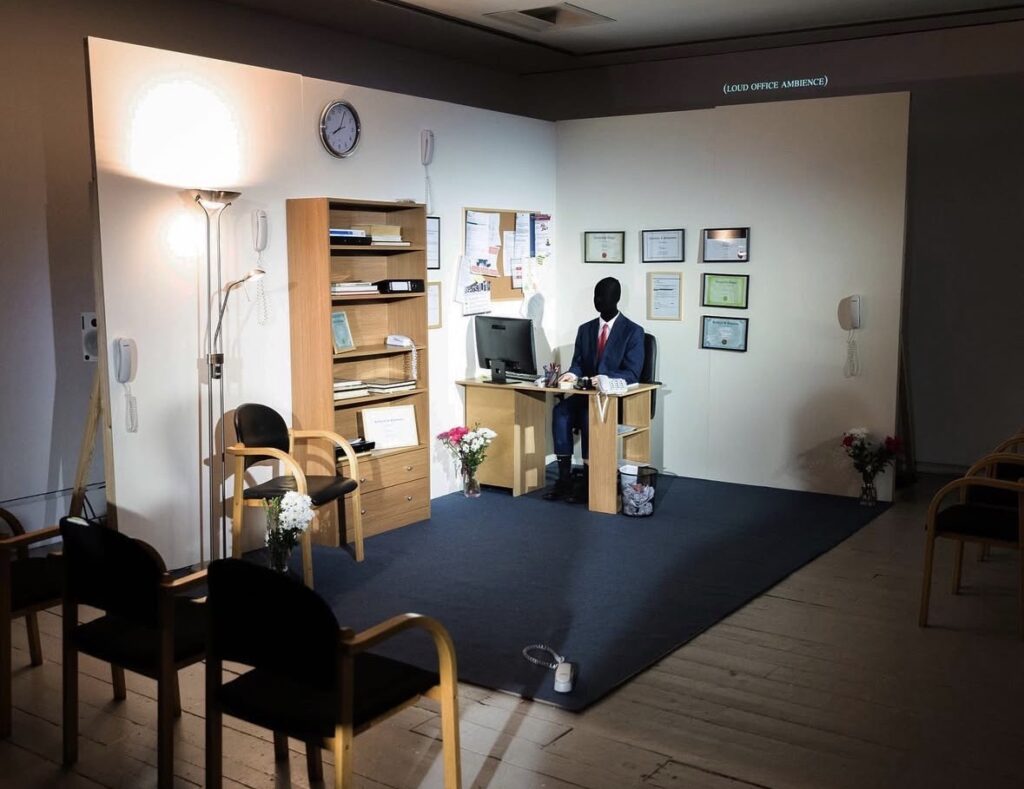
At those times, ‘the performativity of friendship’ becomes sort of perverse, a demand to act in a space and context that doesn’t necessarily need our presence to exist, but that holds us and calls for attention while confining us to that space instead of actually forcing us into action; it transforms into a performance in itself of being present within a short but intense space of time, commissioned, framed and marketed by institutions that will then go and quantify how ‘close’ those friendships got, how many ‘new friends’ we bonded with, in their annual funding reports.
This framing hovered over us at every stage and it was sometimes difficult to digest, specially in this context, because there are the networks of care and nurture within the festival’s constellations and in its relationships with the communities it serves, both the temporary and the long-term ones. However, this framing can easily make one fall into the trap of thinking of art festivals as inherent political spaces, where audiences and artists alike are perceived as ‘family’ or ‘friends’, but where there is ultimately a large gap in the hierarchies of power and labour distribution, in a context that is ultimately temporary for most and long-term for a small select few. ‘Performativity’ as a word of consequence also connotes a possible staged act that, I believe, betrays the intentions and inner-workings of the festival itself.
Festivals are temporary utopias, they can show us possible futures, but only a few get to enjoy the privileges that they uphold. Such a framing runs the risk of the audience and everyone involved thinking about the art works, the spaces and indeed, the relationships built during the festival, under this frame of ‘performing the friendship’, as a sort of ‘craft’ of friendship building, here connoted as a social-political action. It positions us to think about the context of a festival as a sort of incubator for political action, when it is only a temporary version of possible realities. ‘Craft’ as a political tool might momentary lead to people feeling connected and engaged, that they are ‘performing the friendship’. But what happens after the audience goes home and continue with their lives? What happens with that friendship after the festival is over? As Fargo Thbaki wrote ‘Craft is a machine built to produce and reproduce ethical failures; it is a counterrevolutionary machine.’ (2023). Well funded art festivals, as much as they might want to disrupt the local social norms or provide spaces for political thinking, are still part of the very systems that oppress us, and impoverish us. They are still institutions that ‘open space’ and ‘reach out’ while maintaining all the power.
I am not saying that this framing tarnished the festival or our experiences of it, far from it, as evidenced by all the commissions published here. But it made me and some of those I talked with, think of the positionality of institutions, however small, and the differences between the performance of action and action itself; of the performance of friendship and of friendship itself; of the social-economic gaps between the institution and the rural communities it brings artists to for a short period of time. Neo-liberalism has often co-opted real community bonding, language and struggles to publicly signal their own positionality in the face of current socio-political events, yet very rarely does it follow with concrete actions and sustancial material conditions, which is why the framing here seems to contradict the real nurturing and supportive nature of the festival. I often question the need to frame festivals with specific themes that will then permeate our understanding of what we experience, including the way we view the works themselves.
On the other hand, the framework and systems implemented in this festival points towards nurturing, sharing and supporting each other, however temporary. This is more evidently present in the behind the scenes, in how shows are put together, on how teams bond between them and spaces and resources are shared, while the performances themselves seem to question positionalities and understandings of bodies and being in this world. Perhaps what stayed in my body the most was the sweat of friendships built, rather than the performativity, which seemed to pollinate feelings and wants across the city as we walk around it. The friendship allowed us to feel held and shielded away from a world that is so rapidly shifting outside. It allowed us to dream momentarily but then cry into despair at the end of it.
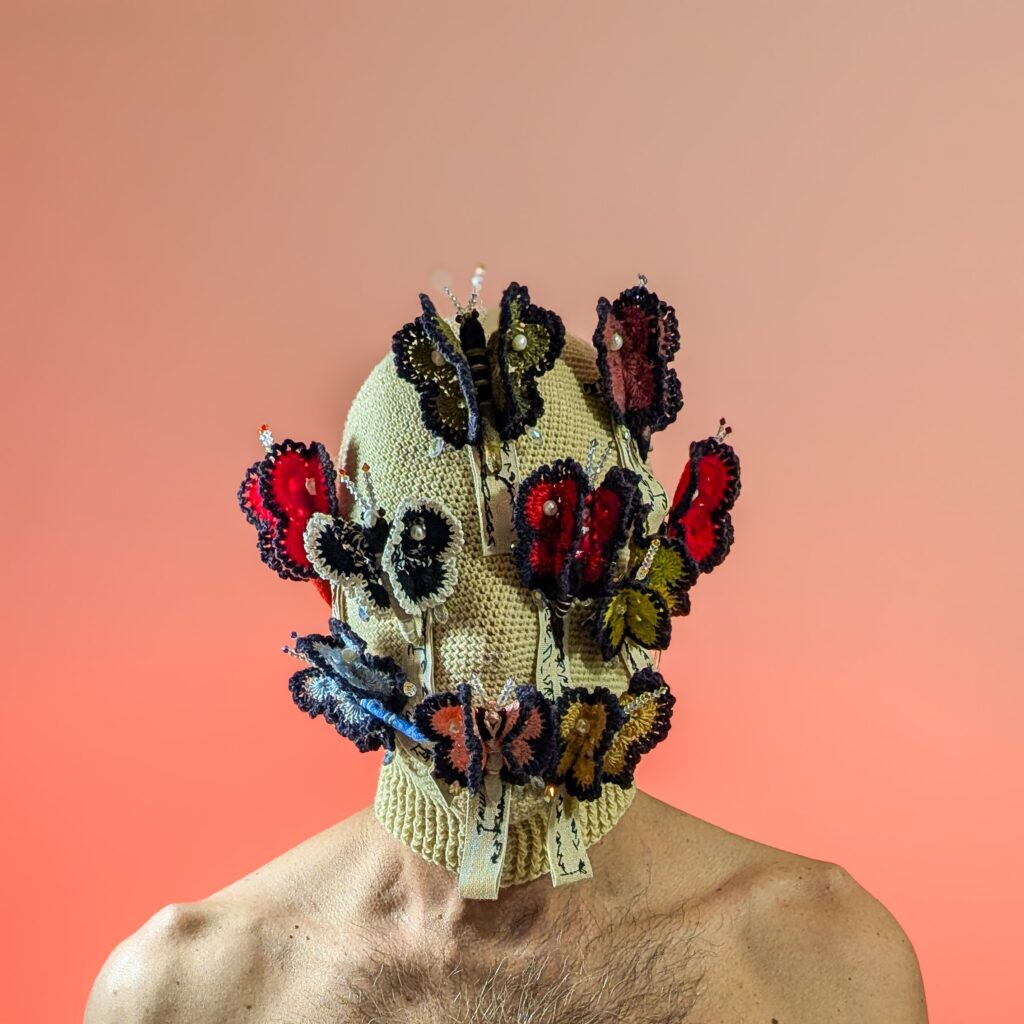
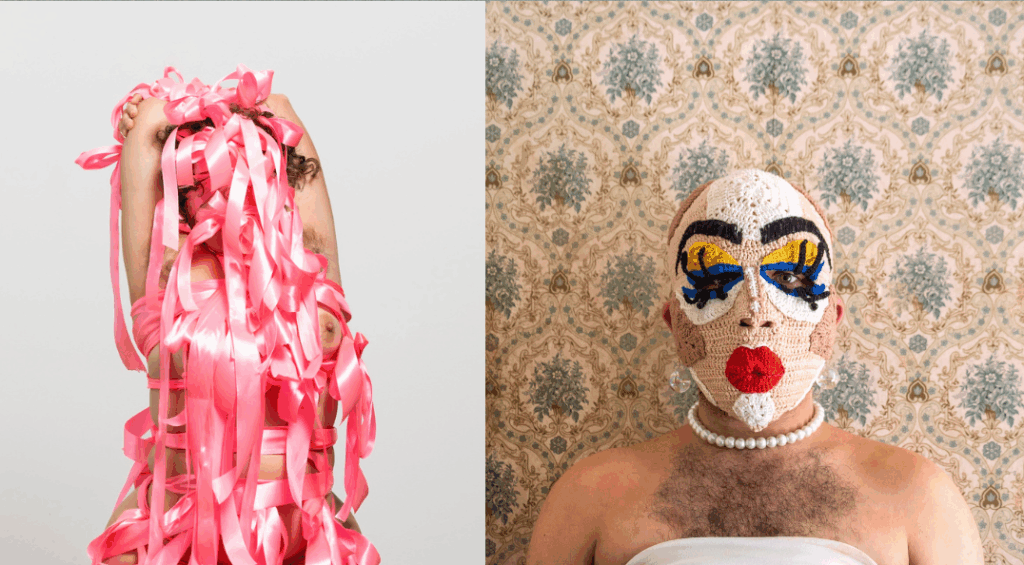
The result of this thinking and methodology is evident in Ed Freitas’ expansive two-fold commission, where he literally and metaphorically creates a Buttlerfly-Garden he embodies and from which he can experience and provoke this festival from within. Expanding on his textile-performance text practice, Ed creates a methodology of engaging with his personal friendships to illustrate and reflect on the friendships developed and performances experienced during the festival. A durational, butterfly performance in itself, where textile materials, writings and critical thinking was developed and embodied across three months.
Finally, as a final proposition, Xavier will spend the rest of the year thinking, creating and questioning what will eventually become an archive of all these experiences, these friendships and this festival as a whole. The long-gestating, durational performance of an archive method will impact on how the festival is framed, perceived both from within and from outside. That will come later in the year and we will post it here as well as in the Linha de Fuga website.
For now, enjoy the commissions. There are a lot of methodologies of creating and thinking critically, both collectively and from within a self-made dome of butterflies 🦋
Xavier de Sousa
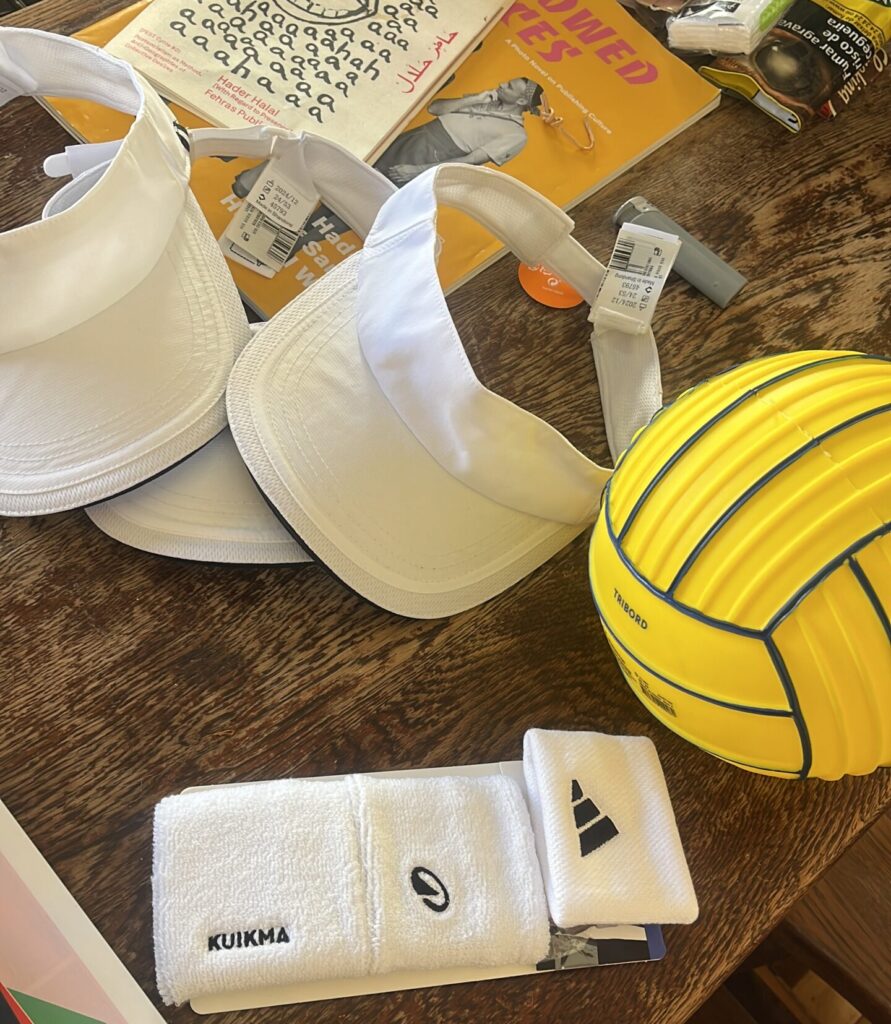
Ping-Pong Critical Writing
Cláudia Galhós, Pedro Vilela, Xavi de Sousa
A How-to Guide on how to create collective and multidisciplinary critical responses to performance, ping-pong style!
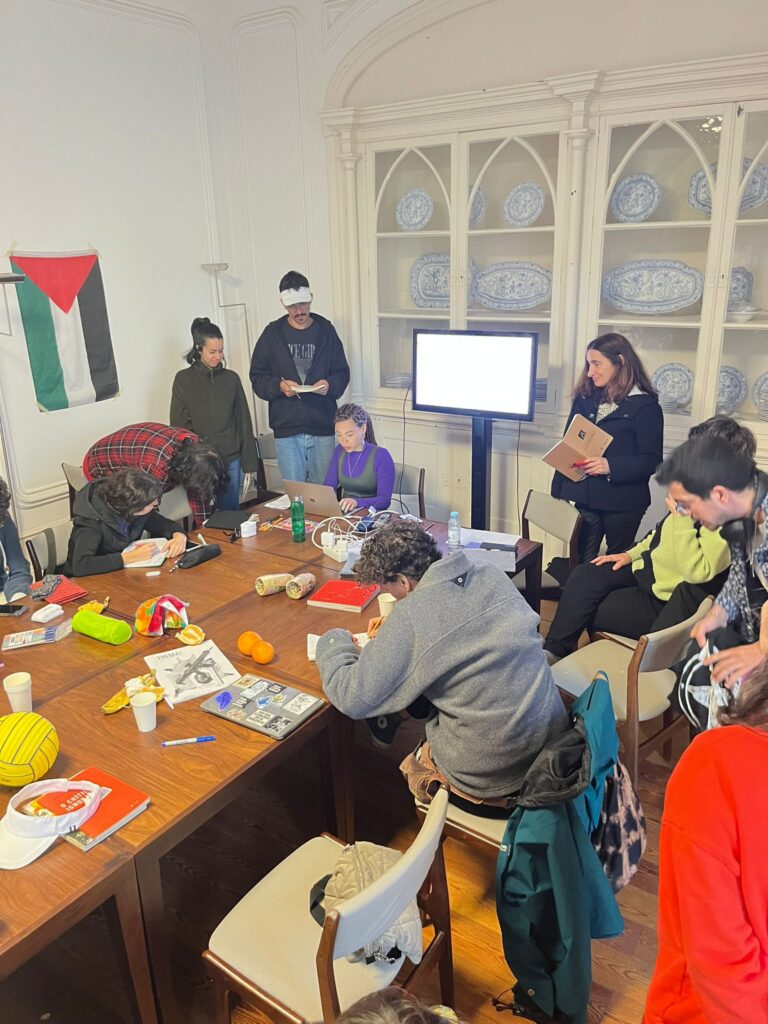
PERCURSO DRAMATÚRGICO PARA UMA POSSÍVEL LEITURA | Escrita Colectiva
Reflexões colectivas e multidisciplinares sobre a obra Para cuatro jinetes, apresentada no Sábado dia 8 de Novembro 2025 no festival Linha de Fuga. Obra colectiva criada com os participantes do laboratório Construindo respostas críticas: sessão colaborativa para escritores e artistas.
Multilingual text. Experience it here.
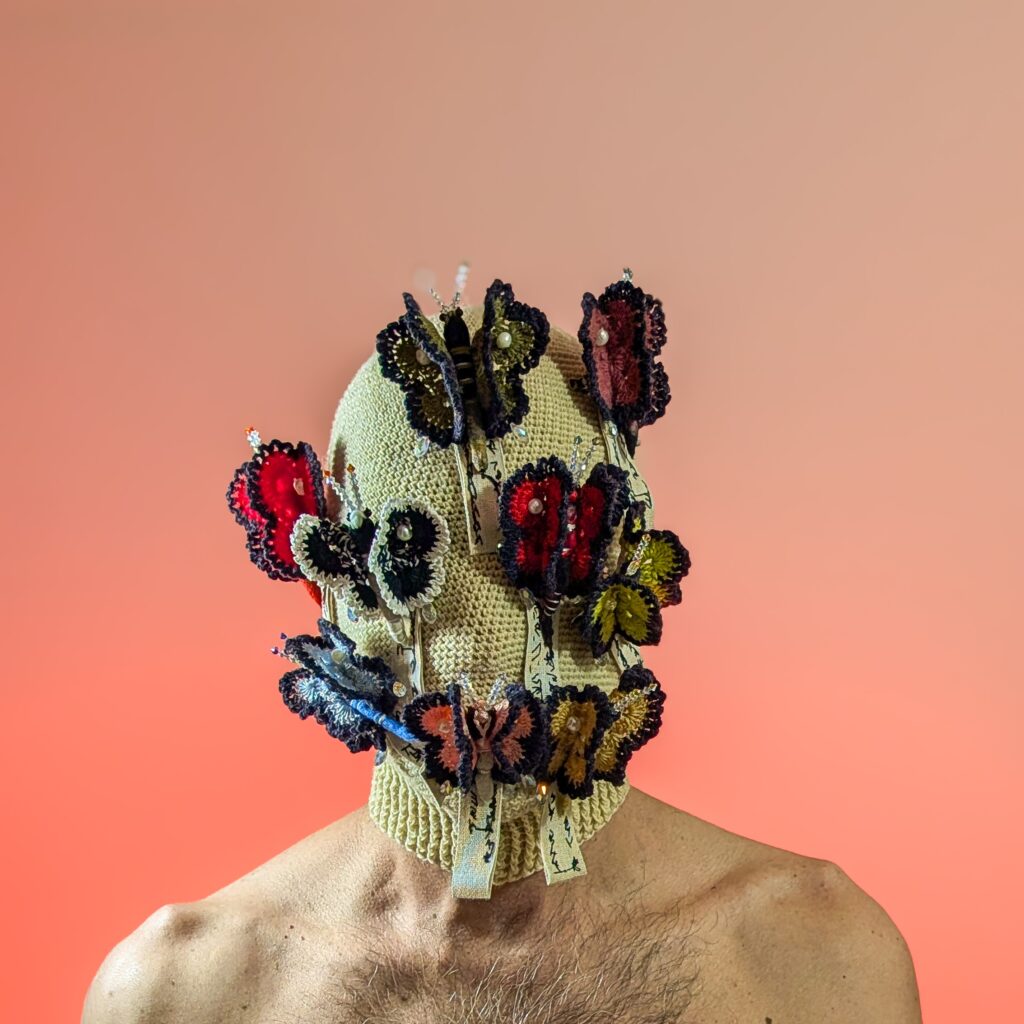
Borboletário de Vibrações – Um texto-têxtil-polinizador para uma crítica pelo corpo | Ed Freitas
A multidisciplinary, textile performance text responding to the 2025 edition of Linha de Fuga, its themes and experiences.

borboletear um déjà-vu metodológico | Ed Freitas
A companion piece to Borboletário de Vibrações focused on the 21 buterflies and the methodologies employed in their creation.
Commissioned by performingborders for Live Art Writers Network x Linha de Fuga 2025, with curation and accompaniment by Xavier de Sousa and Anahi Saravia Herrera.