Live Art Writers Network x Citemor 2025 – Commissions
This summer, performingborders collaborated again with Citemor, strengthening our curatorial partnership and broadening the scope of our research and bringing new voices, provocations and artistic forms to the Live Art Writers Network project and the festival. This on-going relationship started in summer 2022 when we first undertook an investigative residency at the festival, looking to research and understand the legacy of critical writing and nurturing of artists of Europe’s oldest performing arts festival. It was during this residency that what would eventually become the Live Art Writers Network was born.
Citemor has an extensive legacy of critical writing and documenting performance, with writers Claudia Galhós and Pablo Caruana, photographer Susana Paiva and video artist Hugo Barbosa accompanying and documenting both the festival and the artistic processes within it, as well as the ways that the village of Montemor-o-Velho and its residents provided a nurturing and influential environment for all those who took part in it. You can read Claudia and Pablo’s writings on the old Citemor blog which were published until 2014; these texts document process and creation from inside rehearsal rooms, to the public square, to the site-specific stages. It is a unique legacy of critical writing that must not only be preserved, but honoured and continued.
We use the word ‘accompaniment here’ because it is in our view the best way to describe the unique way the festival has traditionally engaged with its participants, supported their work and the artists it programmes. It connotes a curatorial frame that allows artists to breathe, experiment, fail and provoke at their will, with care and support beyond the traditional production-led approaches. You can read more about this and how the festival works in Xavier de Sousa and Anahí Saravia Herrera’s reflections from their 2022 residency: pbCITEMOR2022 – reflections over cervejas and sardinhas; It is from this legacy of ‘accompaniment’ that we build from with our partnership with Citemor.
We have been going back every summer, inviting artists to be in residency at the festival and respond to their experiences. Furthermore, we have taken this opportunity to exist in a space where ‘failure’ and experimentation are both possible and nurtured, to question and provoke new ways of approaching what ‘critical writing’ might be both in its intent and form. Hosted and accompanied by Xavier de Sousa, the invited artists become embedded in the fabric of the festival, witness and experience rehearsals, engage in the daily collective lunch and dinners, and spend time in the residency space reflecting, collectively problematising and creating their own responses to what they experience. This approach, where your ‘writing’ is in constant dialogue with work and discourses that are emerging around us, allows for collective narratives to emerge and for the concept and form of writing to be in constant transformation, as it responds to stimuli. This proximity and intimate approach also allows the translation of their writings to be done in a way that is respectful of their voices and the rhythms of their writings.
In 2024, we had our first iteration of the Live Art Writers Network, with Porto based Brazilian artists Dori Nigro & Paulo Pinto engaging in a two week long accompaniment residency of the festival where they reflected on the ‘networks of care’ and the effects of a communal approach to festival and artistic creation, as well as the entangled legacies of colonialism of the Iberian peninsula and festival programming in Portugal. You can read their post-festival commissioned reflections here.
This summer, we returned to Citemor with a new, more embedded and collaborative approach working with artist, writer and academic Diana Damian Martin and invited artists Letícia Maia and Ed Freitas, to engage in critical writing and on-going responses to performance, production and life at the festival. In response to Diana’s research into non-conforming criticisms, unruly and queer temporalities for critical writing, this iteration of Live Art Writers Network reflected on questions such as “How can we be present with performance in multiple temporalities? What does it mean to be in a particular place responding directly to performance, and also allow space and time for a post-festival reflection? What does duration offer in performance, and in critical relations to it? What queer temporalities emerge in being in residence with a live body of work?“
The artists, both originating from different areas of Brazil and now residing in Portugal, brought in an understanding of ‘queer’ that defies Western and imperialistic framing: that of ‘cuír‘, a South American term that proposes to be in opposition to a constant attempt to define identity and instead focuses on the constant malleability of our existence and identities. The Lisbon-based collective Afrontosas has been using this term as a way to frame their ever evolving practices and projects, merged in with their own evolving politics and identities:
“Ecofeminism, black feminism, and queer ecology are concepts that accompany our trajectory as investigative artists. Similarly, African philosophy and Afrocentric artistic practices complement our journey. The neologism ‘cuír’ is an example of our attempt to autonomise our own categories. In Brazil, where most of Afrontosas comes from, the word cuír has been used as a way of establishing a position in the world on the decolonial resistance of LGBTQIA+ people. It is a way of subverting the word ‘queer’ as something undefined, this big umbrella that fits everything, but which ultimately remains meaningless. Strange people? Gender-diverse people? And when we talk about black cuír people? Cuír is a manifestation of insurrection against attempts to imprison non-hegemonic people within certain categories.” You can read their full statement here.
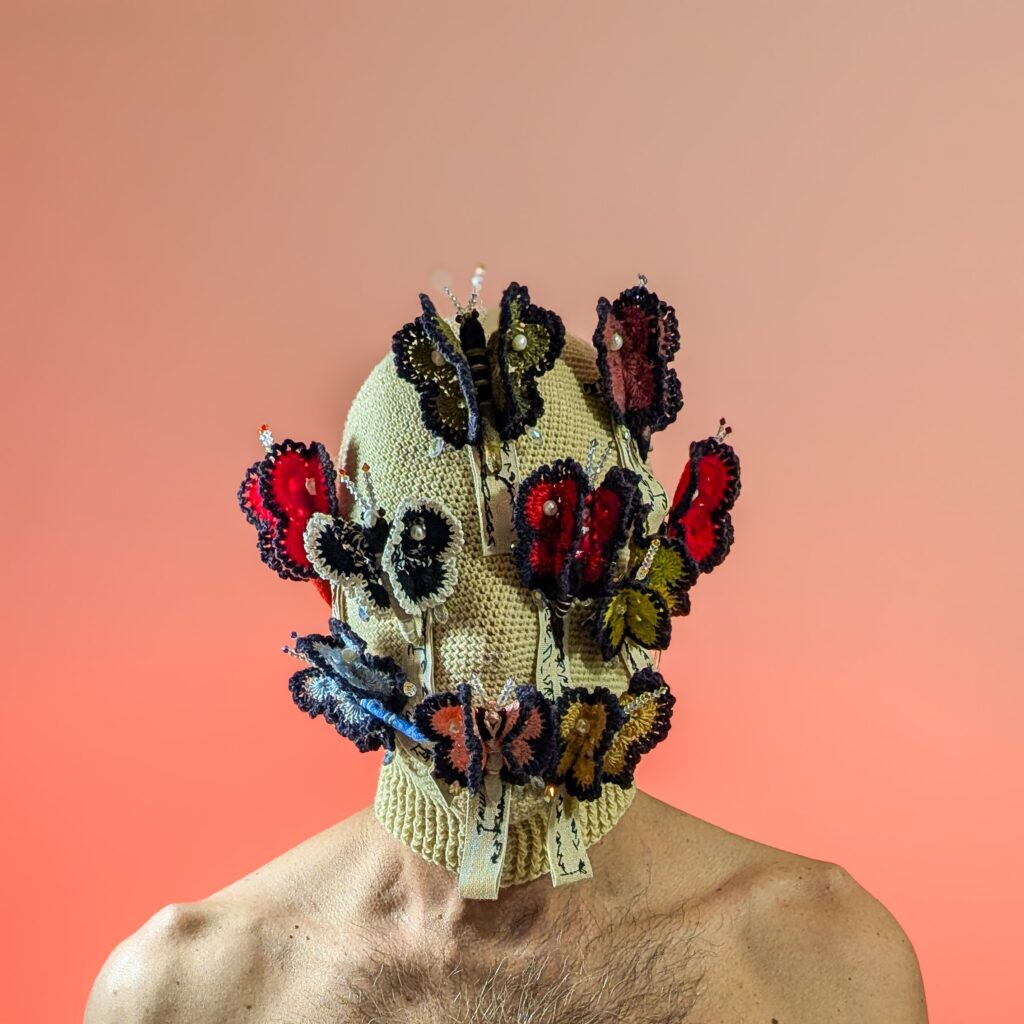
Both Letícia Maia and Ed Freitas are primarily artists who utilise performance and textiles in their works, rather than traditional critical writing. The challenge here was to find new ways to engage in critical and reflective thinking about performance, in direct conversation with the works themselves, and challenging what we might define as ‘text’ or ‘writing’
The results were expansive and multimedial, with both artists bringing their own artistic practices to the forefront, continuously engaging in direct conversation with the artists they were reflecting with, and often closely collaborating with them to create their responses, from their own performances, to textile-creations, to drawing, game-play and more.
The publications are presented here in two ways: the on-going publications written during the course of the festival, and final post-festival reflections.
CITEMOR 2025 RESIDENCY
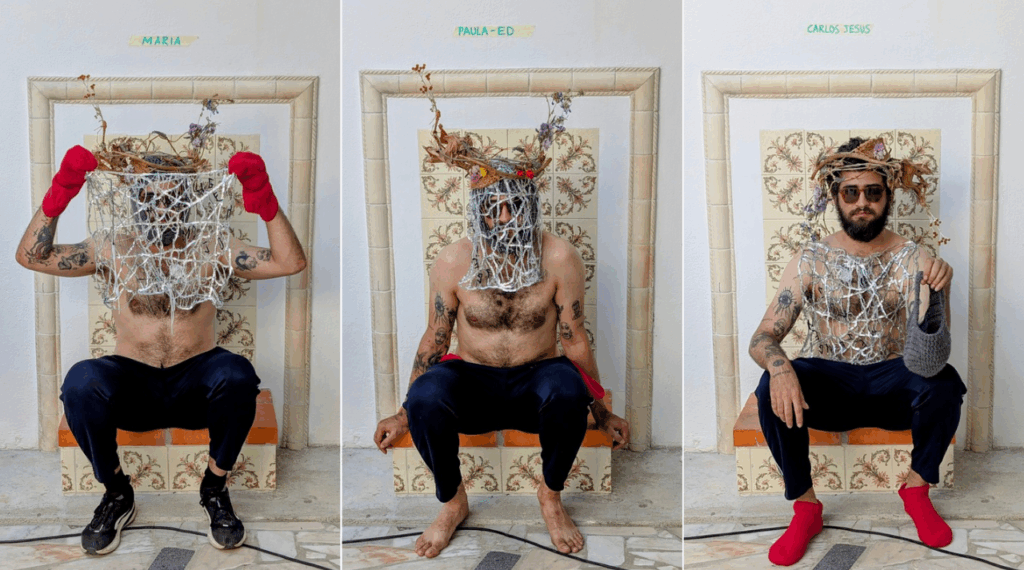
Throughout the festival, Ed and Letícia were based in the Festival-adjacent house that provides residency space during the festival, where various artists programmed also stayed. From there, they worked and created their responses, often collaborating with the artists themselves, discussed and talked with performingborders and Diana Damian Martin, in what became a mini-festival residency hub.
Individually, but always in dialogue with each other, the multimedia works published were in response to, and often in collaboration with, the work of artists Sónia Baptista, Paz Rojo, Óscar Bueno, Orquestina de Pigmeos, Maria Garcia Vera and Bruno Humberto.
Their on-going responses were published in chronological order on the Citemor’s website.
POST-FESTIVAL COMMISSIONS
Two months after the festival, we publish the final commissions from Ed Freitas and Letícia Maia, where they reflect on the experience now with eyes and body with a different space-time relationship with the festival and its’ works, but also with an opportunity to reflect on some of the works they didn’t have the time to respond to at the time.
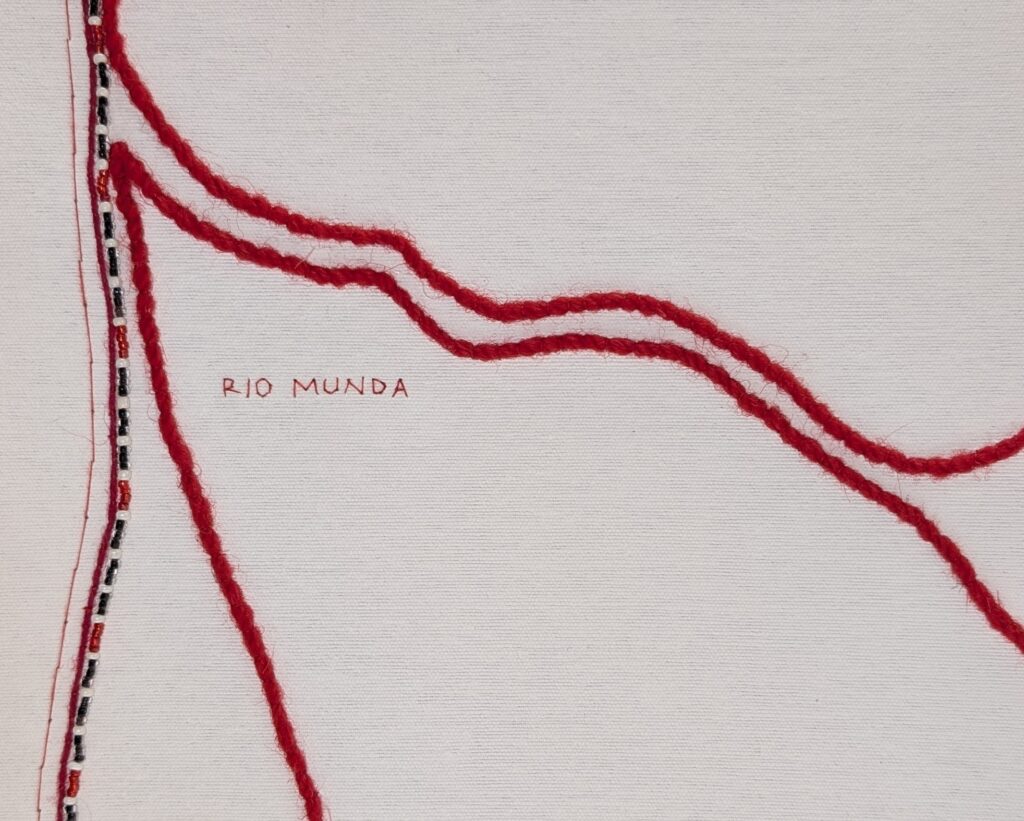
Rios em mim: liminaridade de um corpo em festival | Ed Freitas (Português)
Rivers within me: liminality of a body in a festival | Ed Freitas (English)
Dançar sobre as ruínas: um festival como uma ilha utópica espaço-temporal em meio às catástrofes de nosso tempo | Letícia Maia (Português)
Dancing on the ruins: a festival as a utopian space-time island amid the catastrophes of our time | Leticia Maia (English)
This year’s Live Art Writers Network residency with Citemor was also driven from within the on-going discussions and work with our Portugal-based community. This year’s invited writers were selected in collaboration with LAWN contributors Dori Nigro and Paulo Pinto.
The Live Art Writers Network x Citemor 2025 project was conceived and curated by performingborders, Diana Damian Martin and Citemor Festival. Funded by Royal Central School of Speech & Drama – University of London, through UKRI Impact Accelerator funding.
Live Art Writers Network (LAWN), is a network aimed at cultivating experimental writing practices happening in dialogue with performance and live art. This project aspires to create a nurturing environment for writers to meet and engage with performance contexts, providing connection, mentorship, and a publishing platform for developing practices. Our mission is to foster creative and critical responses to performance that resonate and respond to conversations happening on a local level whilst linking to transnational critical dialogue on performance, publishing, artwork, labour, and political action. You can read more about it here in Live Art Writers Network page.
Diana Damian Martin is a writer, artist and researcher working on questions of borders, performance, experimental practices as well as alternative critical cultures and collaborative work. She co-hosts collectives Something Other, Department of Feminist Conversations, Critical Interruptions, Generative Constraints and is a programme leader for the BA (Hons) Performance and Contemporary Arts at the Royal Central School of Speech and Drama.