butterfly-ing a methodological déjà vu | Ed Freitas (ENG)
18th February 2026This new piece by Ed Freitas was commissioned by performingborders, for Live Art Writers Network x Linha de Fuga Festival 2025. It is published in tandem with Butterfly-Garden of Vibrations – A textile-pollinator text for a body-based critique as two pieces in dialogue with each other. For more information on the curated programme, the festival and all the performingborders commissions in response to the festival, please visit this LINK.

1
I was invited to attend the gatherings (talks, laboratories, workshops) and performances as part of the Dance and Performance Festival entitled Linha de Fuga/2025, held in the city of Coimbra (Portugal);
2
The nature of the invitation expands from my work as an experimental critic of the arts of the body and the stage, particularly in the wake of the challenge proposed to me by performingborders on the occasion of the CITEMOR International Theatre Festival, also held in 2025;
3
The works selected by the Linha de Fuga Festival respond, in a multitude of ways, to the proposed theme of ‘The Performativity of Friendship’, from the perspective of the Festival serving as a laboratory for creation, exchange, training and shared reflection;

4
My personal immersion ritual was fulfilled throughout a one-month arc, committed to placing my body as an artist-critic-audience in a position of reception and crossing, aiming to build an altered mode of reflective presence;

5
From a strictly methodological point of view, without that desired presence that guides my ability to elaborate meanings about art, I am once again assuming as necessary the interface between the shows scheduled in the Festival’s programme, and my existential temporality and its respective drifts of affectation, its trajectories of expression and communication based on what they evoke in my life and creative history;
6
As soon as I placed myself in this attentive position of experience and relational presence, in this position of openness and reverberating sensitivity to shared artistic processes, I observed within myself a hesitant question about the conceptual relationship between the themes of ‘friendship’ and ‘performativity,’ recognising and assuming, on my part, that the now classic treatises on philia or friendship greatly precede our very recent conceptual heritage regarding the artistic field of happenings and artistic performance, in the midst of contemporary art;
7
Thus, and not without reason, I demanded of myself a tacit approach, from my own corporeality and its temporality, in order to organise two asymmetrical conceptual magnitudes, namely, to shift friendship from its ontological-existential statement to locate it as an experience of poetics sustained by the principles of contemporary art, according to a Western canon of the arts;
8
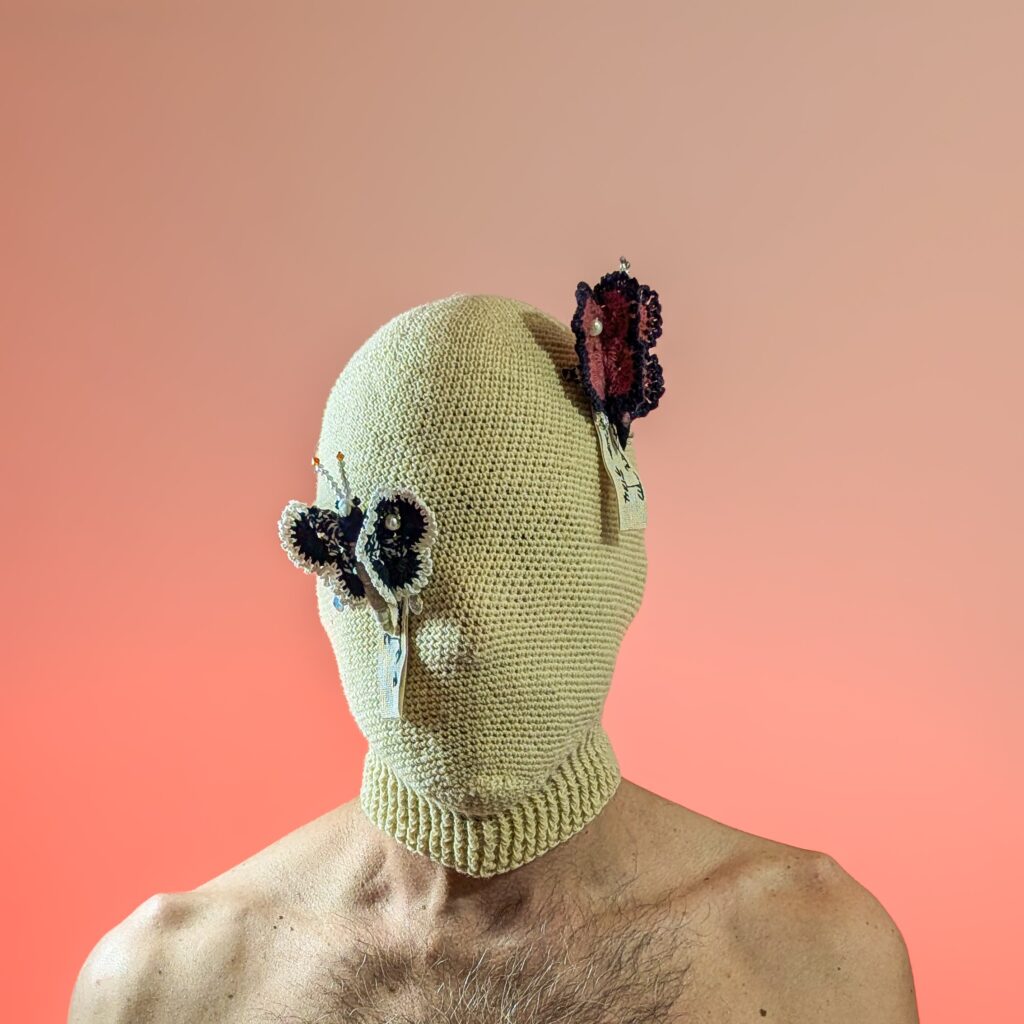
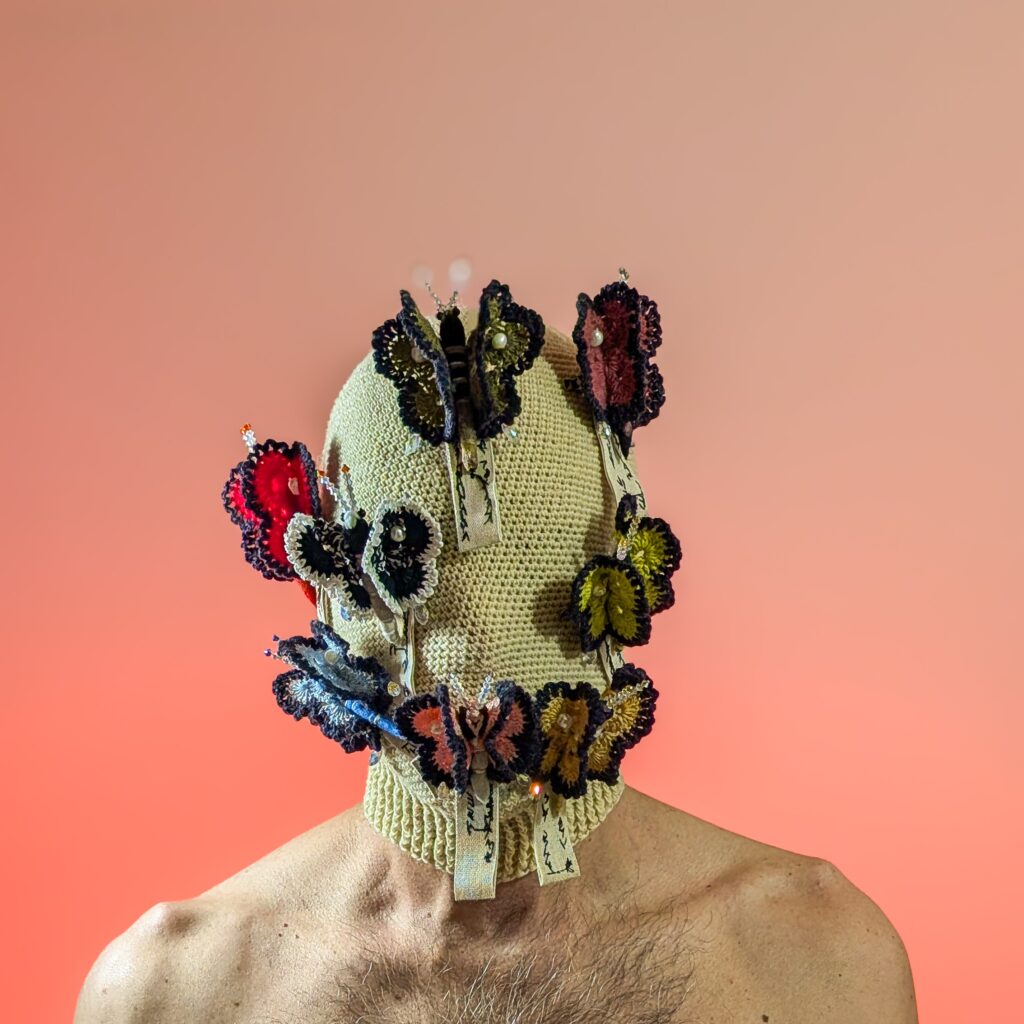
My path of questioning those concepts followed the gestures that produce texture, so very soon I was immersed in the landscape of crochet and my role as a crocheter, experimenting with another vocabulary to elaborate on the stimuli that presented themselves to me, through materials, three-dimensionality, the sensitive-relational quality of volumes, of the implication of touch, etc.
9
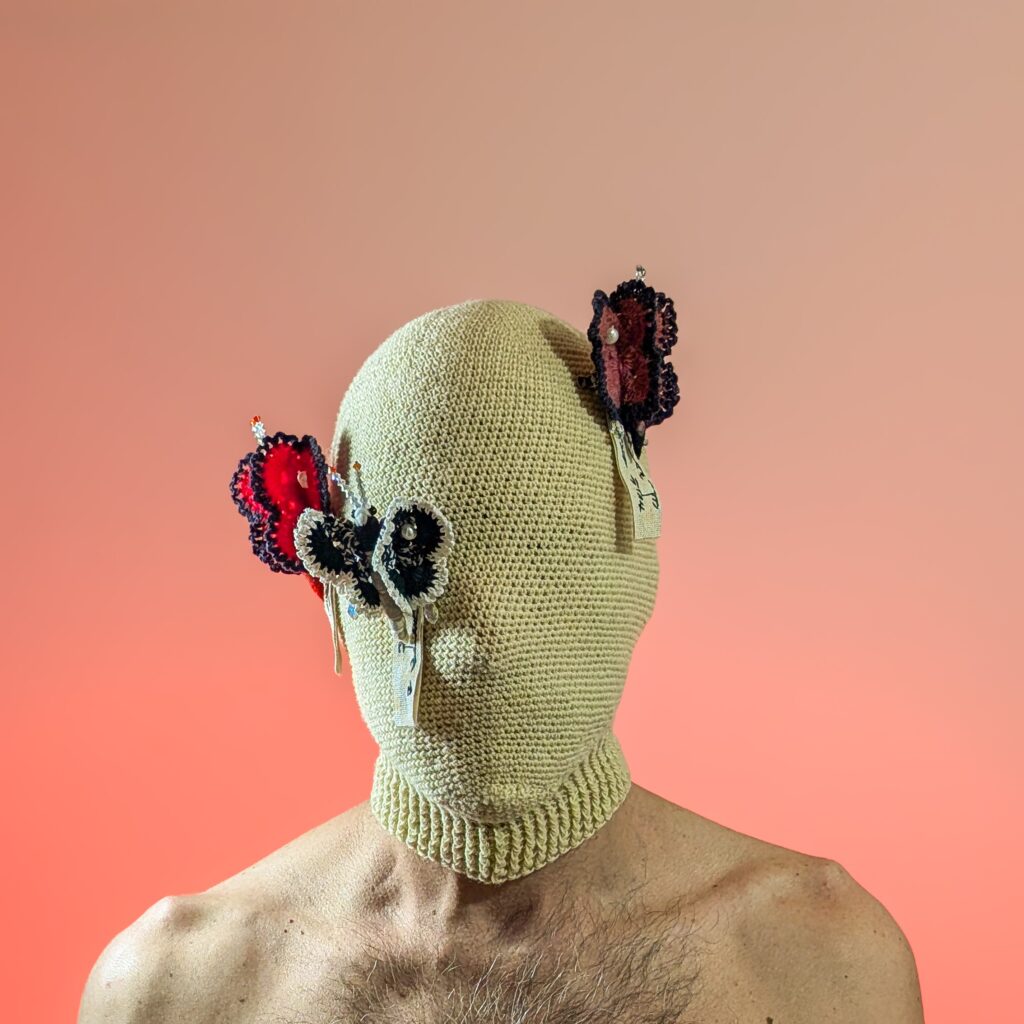
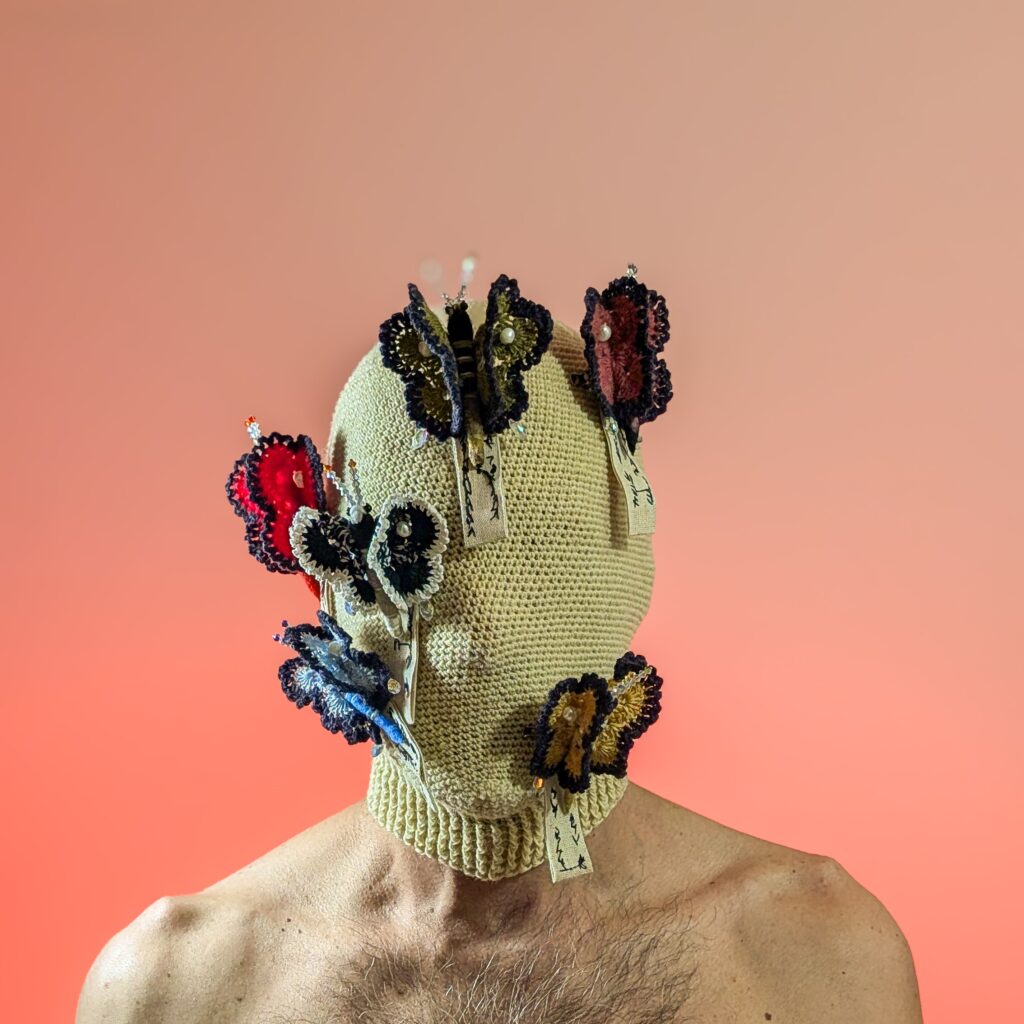
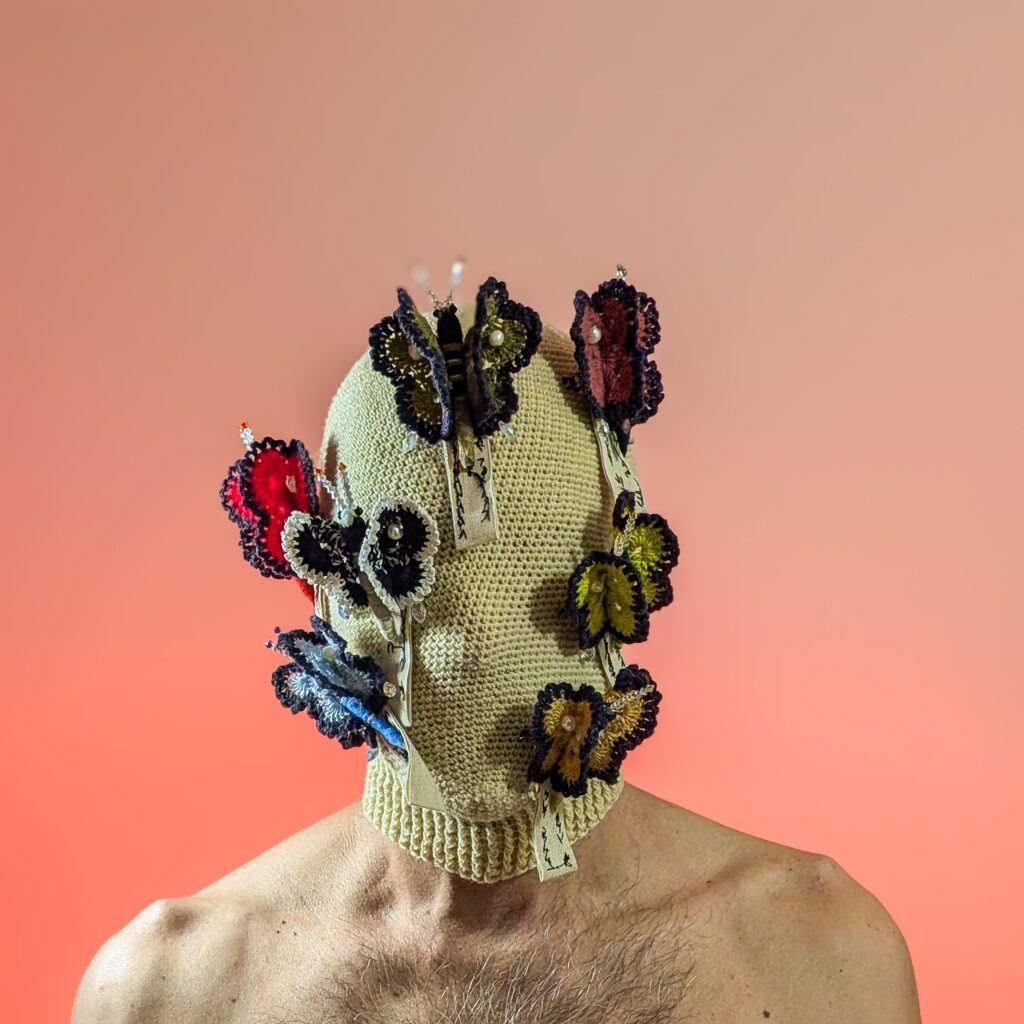
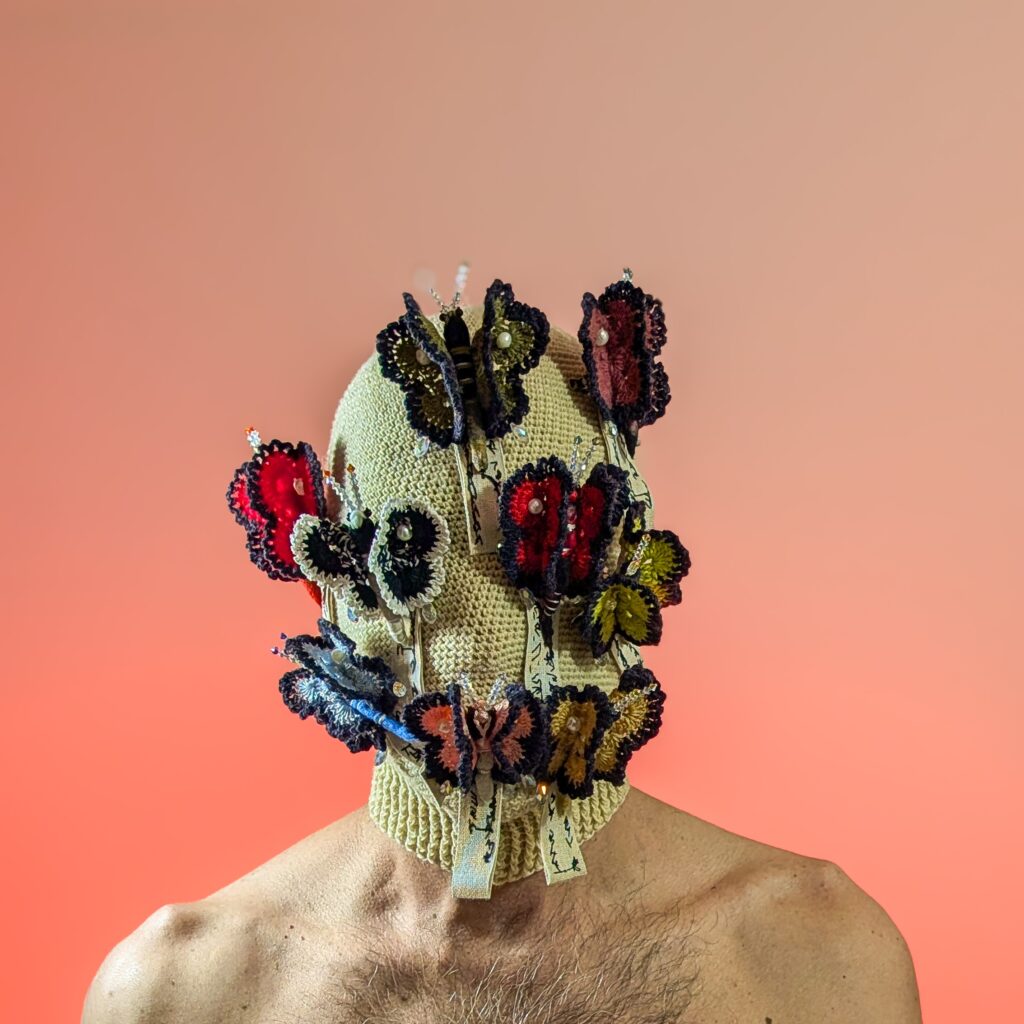
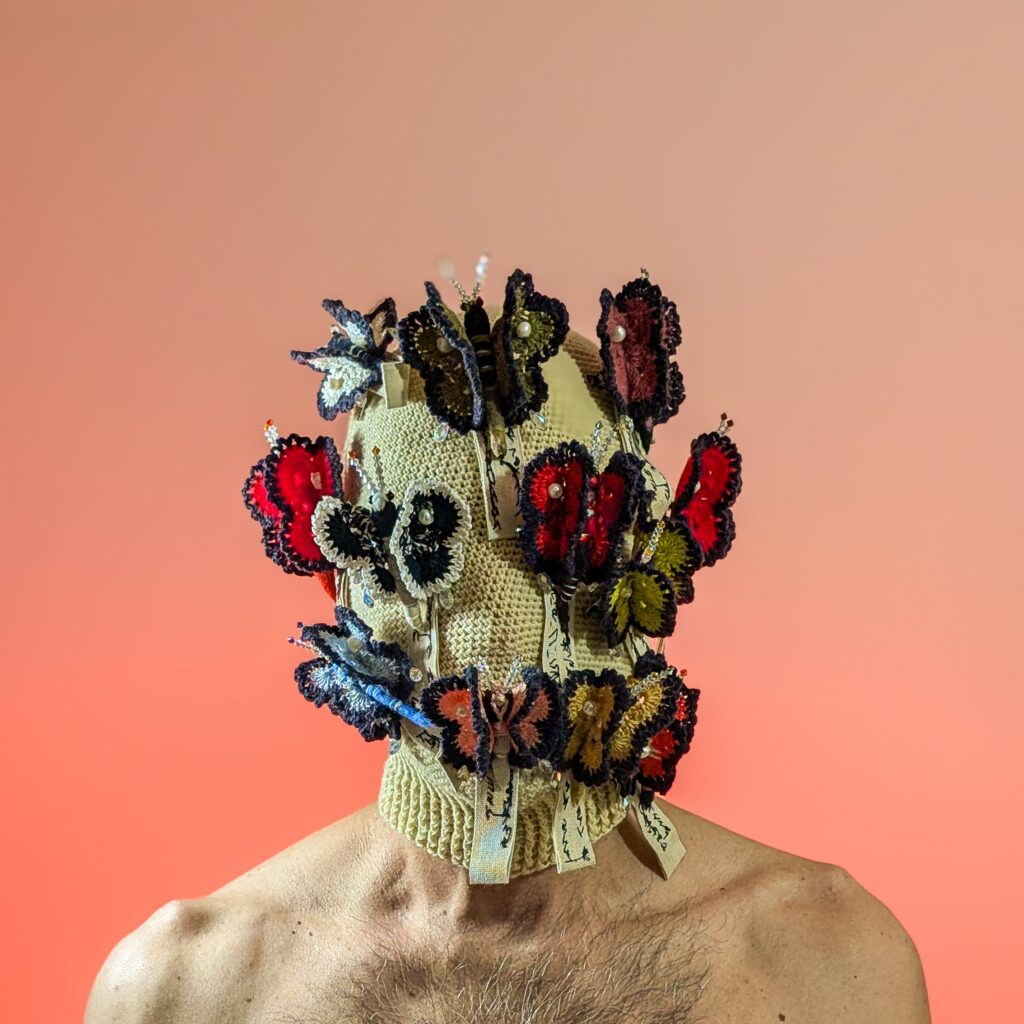
And so, it was by moving my body in a state of porosity in the Festival environment, that, at my own pace, that I learned to sew, to stitch together structures in the shape of butterflies, the ‘little beauties’ (‘belbellita’, from the Latin word bellus). Through external limitations of time I found myself in relation to, the processes/works allowed me to embroider (construct) 21 (twenty-one) of those structures. It is no coincidence that in the same Greek civilisation that elaborated on the urgency of philia/friendship, psiké (the psyche, the psychic apparatus) also suggested, without distinction, soul and butterfly, that is, the soul as a butterfly;
10
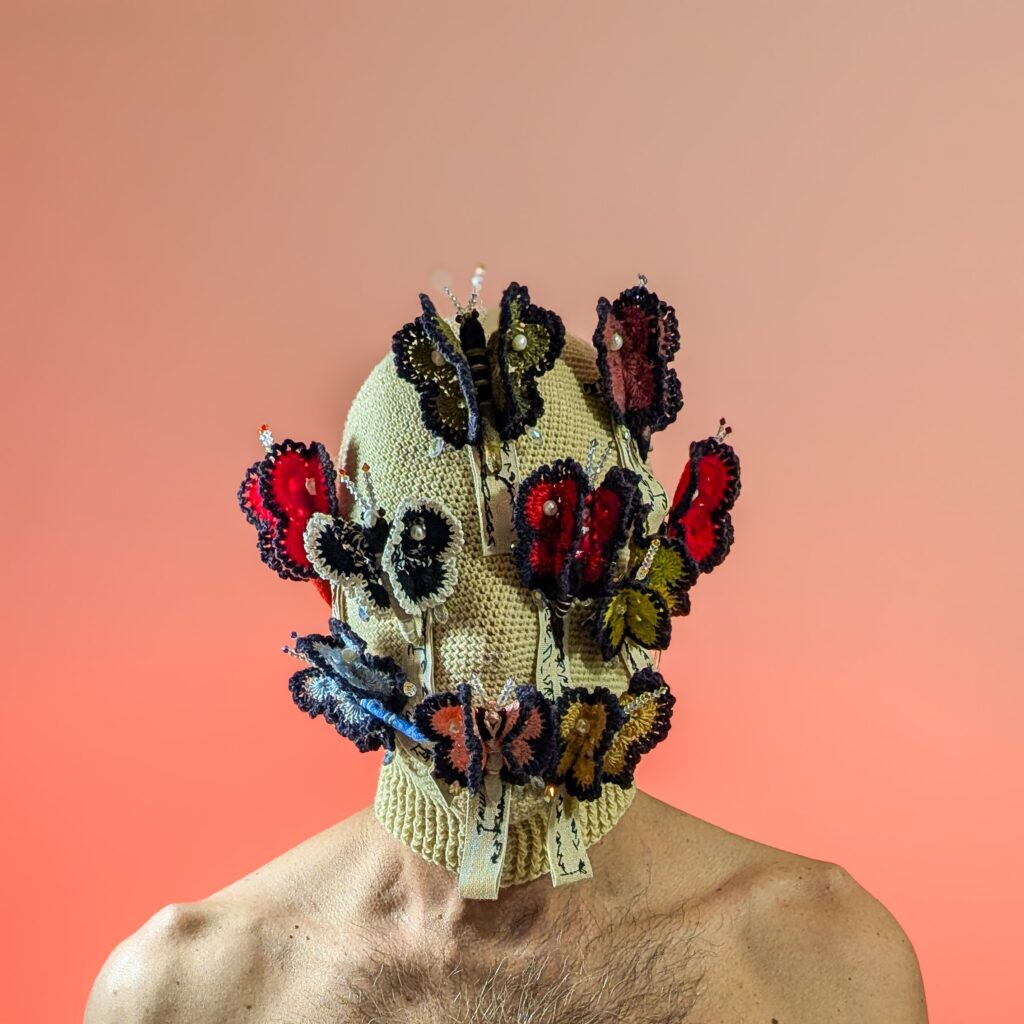
Relevant to the synthesis of my bubbling narrative, of spatial (volumetric), synesthetic, visual, poetic figuration, etc., I decided that, as pollinating agents (dispersers, multipliers) on the landscape, those embroidered butterfly structures would carry the urgency of sweet nectar from flower to flower, as essential as evidence of the health of the ecosystem, alongside bees, beetles, hummingbirds, bats, etc;
11
To define the types of variation in the nectar of sweetness in urgent transit needed around the world, from each process/task my body was involved in, I collected evocative statements, perceived in their biodiversity of very (!) vibrant colors (flowers) and adhesive pollen potential, as a gamble on transfer and fertilization elsewhere;
12
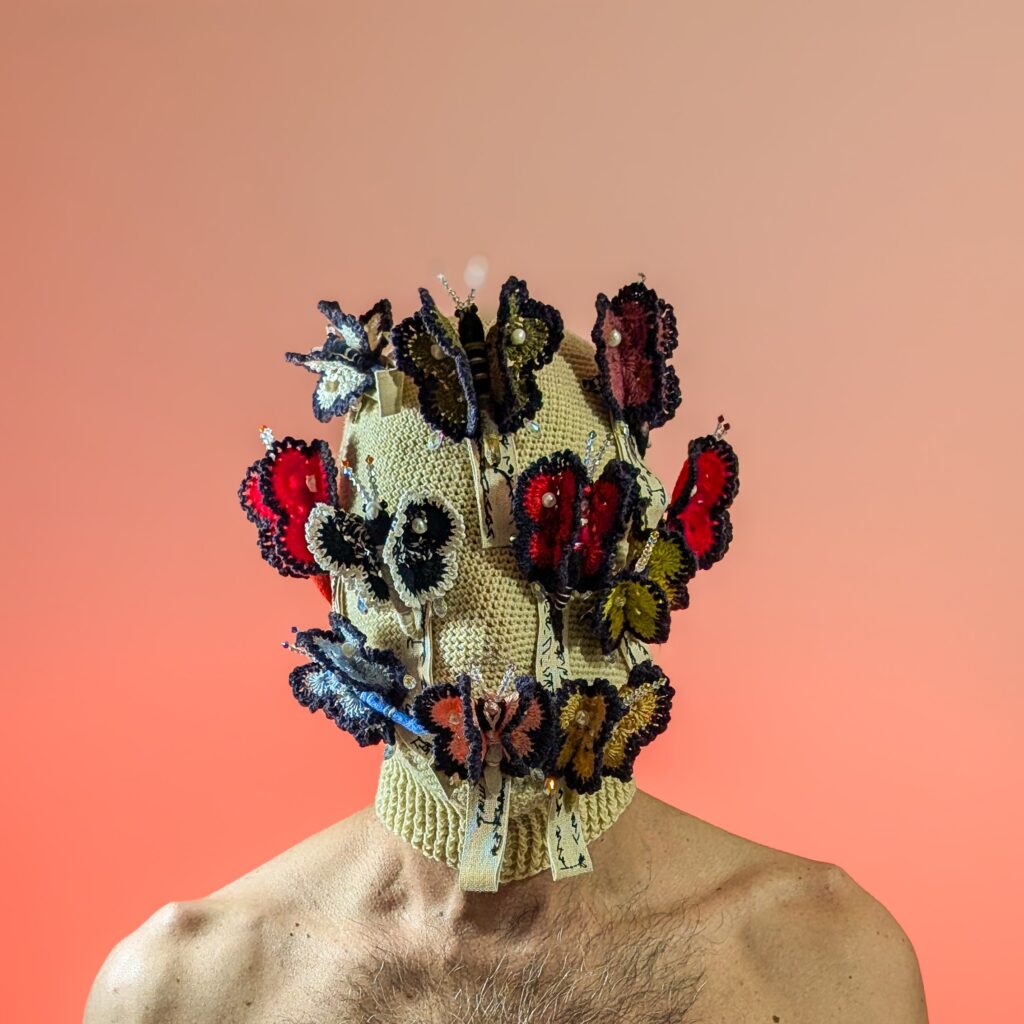
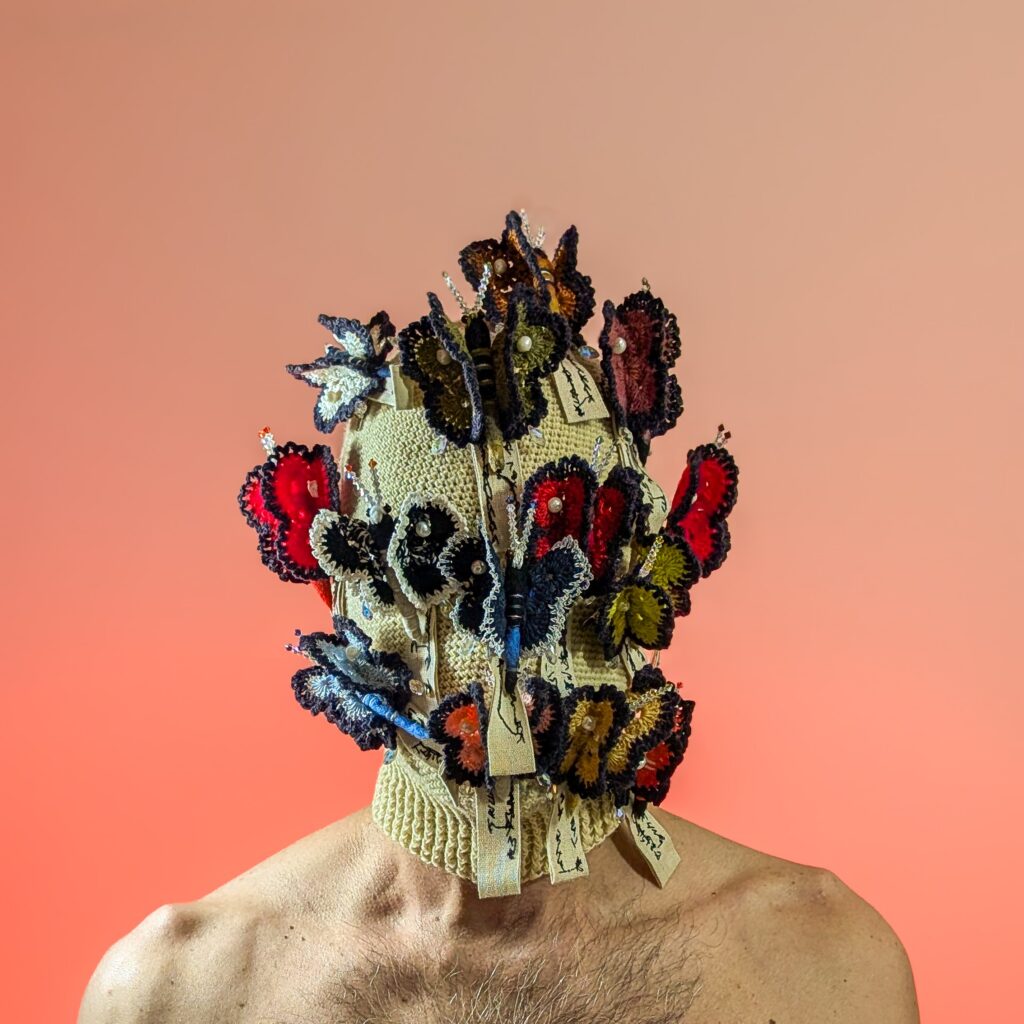
I listed more than thirty phrases, including sensations and concepts that the processes/works overflowed onto my body during my relational visit to those themed environments, so that for each of the 21 (twenty-one) butterflies, I attached these small ribbons/banners of traveling-floating urgencies;

13
My primary focus was not on generating themes as numerical inventory, nor even on the assertiveness of flight or productive capacity of the butterflies that emerged. Rather, out of a collateral delicacy, and assuming, for myself, the investigative principle of friendship as an experience of recognition in the arts, I launched my butterflies as emissaries, inviting dialogue with third parties who did not have the opportunity to physically share the shows like I did. I thought of my friends, of people with whom I developed, at different times, for different reasons, relationships of affection and connection, intimacy and trust. In order to substantiate this phase of creation, I converted the respective butterflies into clothes pins and hair pins, as a gesture borrowed from what lands and also keeps company, on the skin of a third party;
14
I did not anticipate the availability or current interests of my friends whom I had invited, in terms of responding and agreeing to participate in a sensitive sharing event, based on the pollinating invitation of my butterflies and their evocative, generative themes. In my creative thinking, it was a complex relational experiment, namely, to verify to what extent the sensitive urgencies shared in the shows could migrate and fertilize other more distant discourses, using (me), likewise, the pretext of an environment of affective security such as friendship. Thus, I wondered if I would be able to verify, through a purposeful experience of sensitive, reflective, and affective sharing, the potential and possible pollinating effect of those themes, as the basis for a performative relational action within the context of friendship.
15
Although sensitive, humble, delicate, and loving, the invitation was no less complex and challenging, even from a poetic point of view, since, unlike bees that live in hives, butterflies inhabit other forms of organisation and relationship with each other. I thought not only about the unique existences of my friends, who were undoubtedly strangers to each other, but also about how they were often very reserved, sometimes shy, like me, prone to hesitation and with few friends, and therefore not exactly inclined to publicly expose their lives and
personal choices;
16
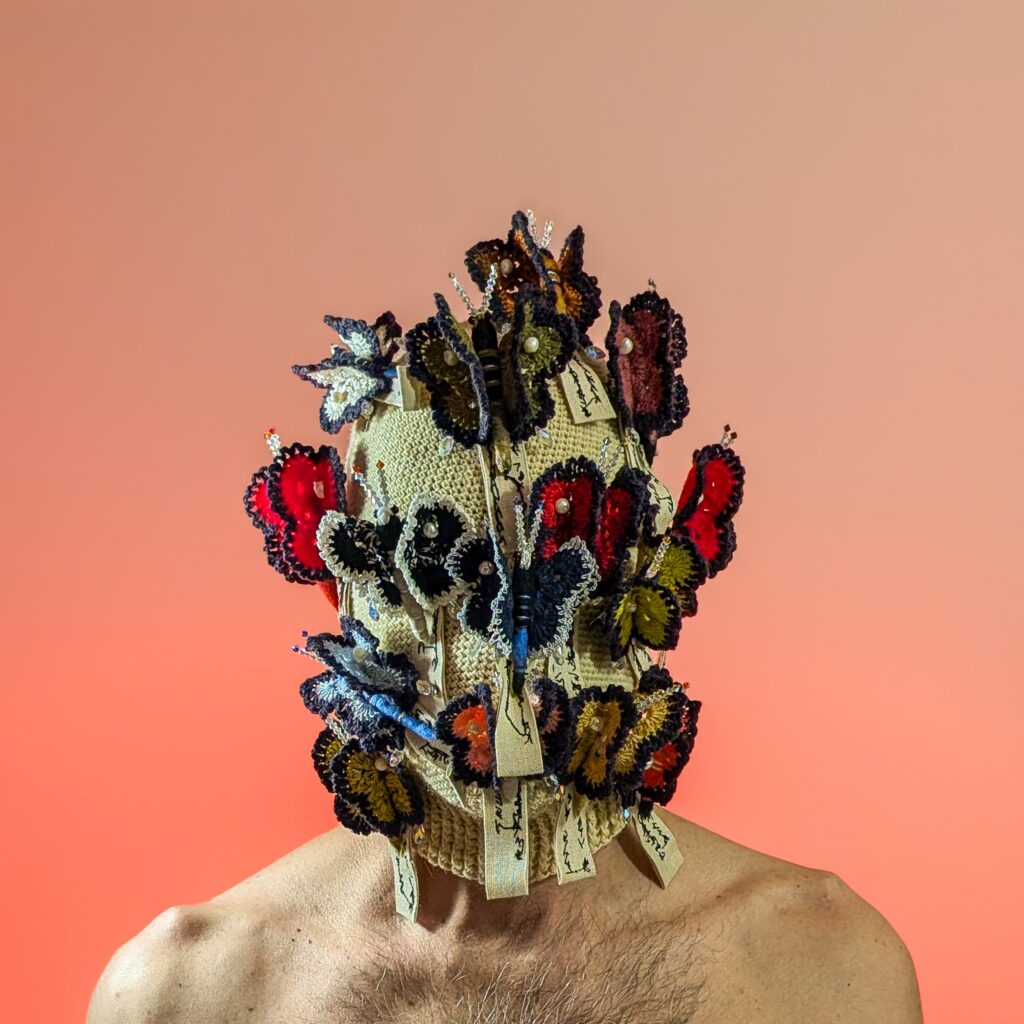
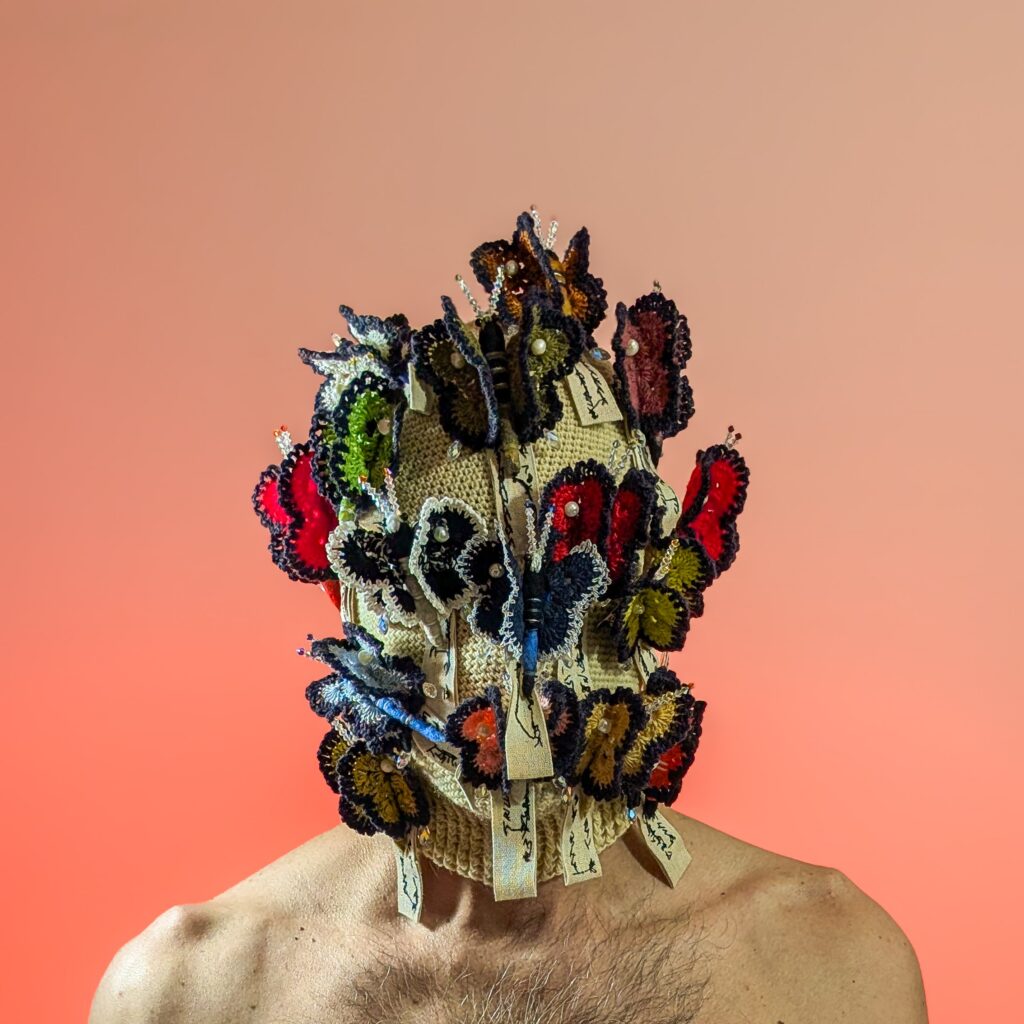
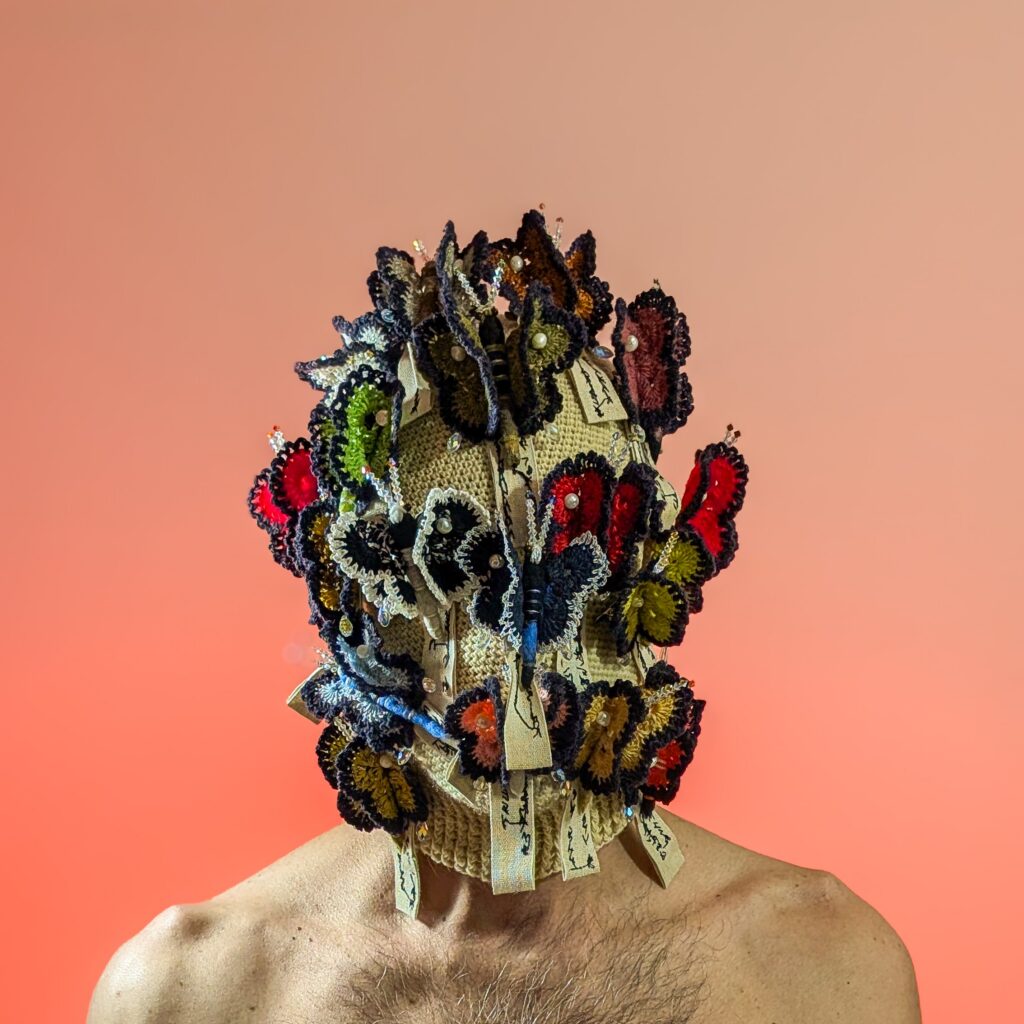
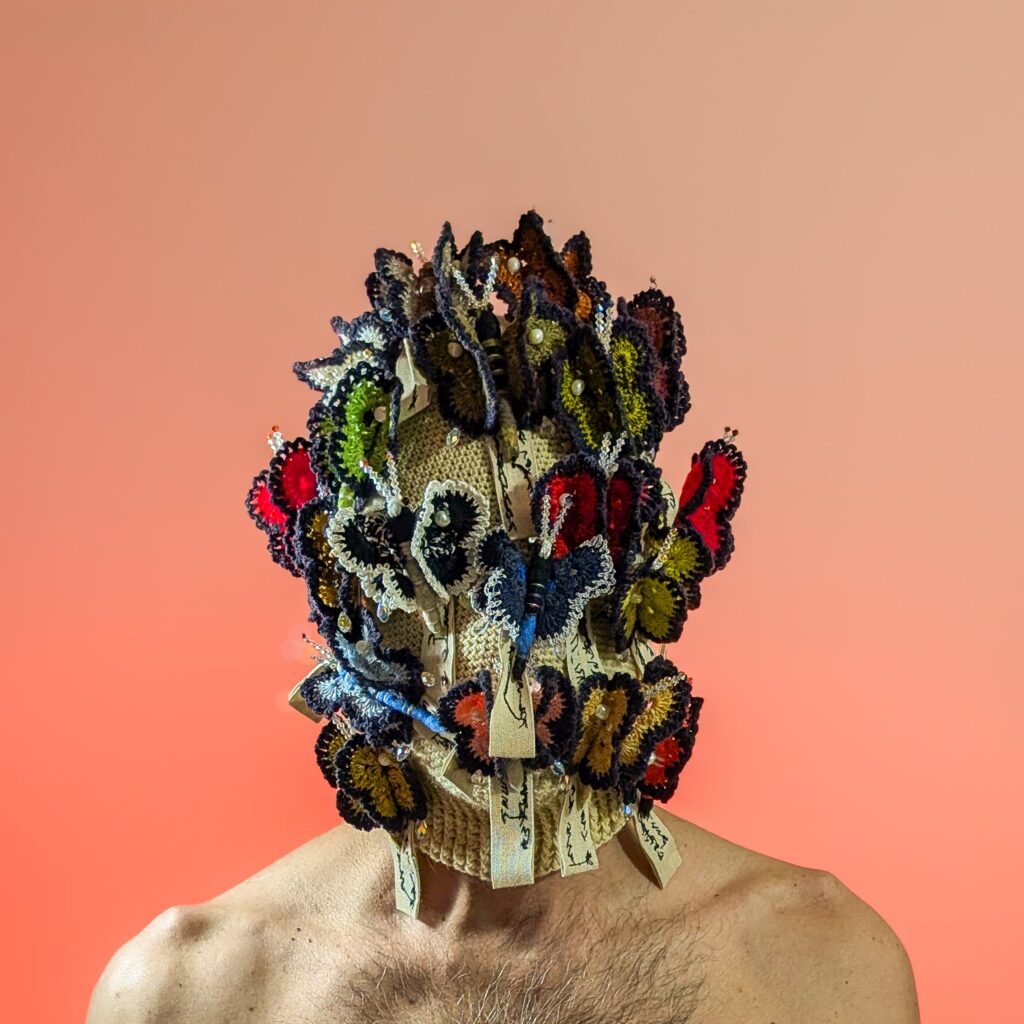
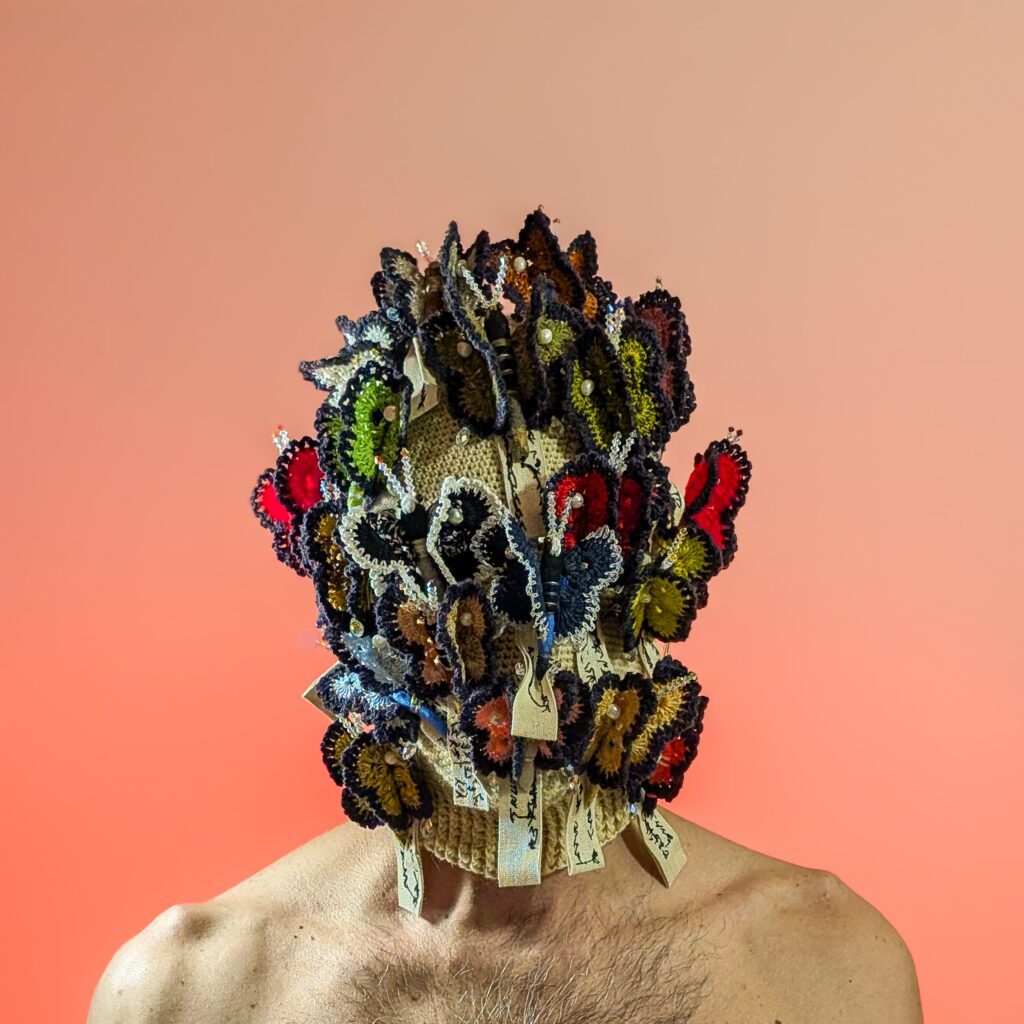
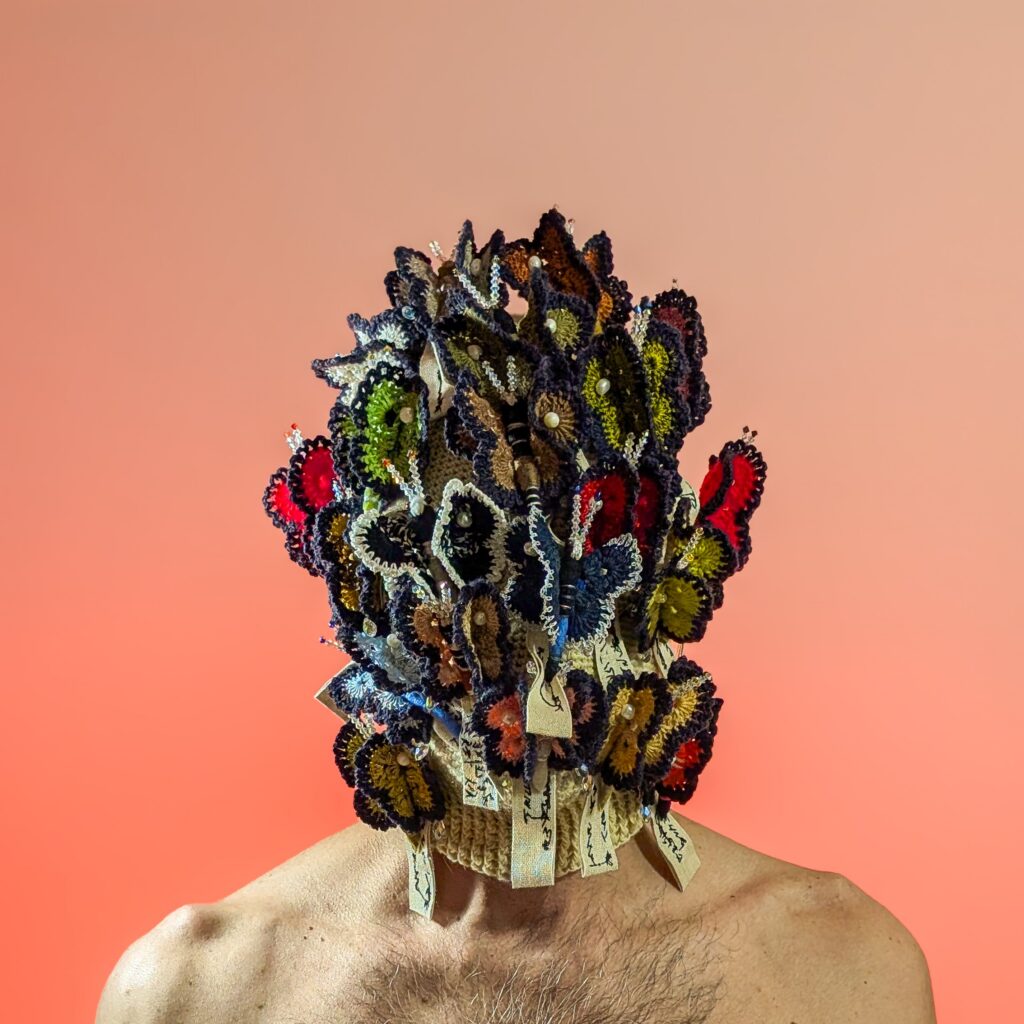
Through this process, in which I poetically confront my ghosts of loneliness, finitude, and my own butterfly-like existence, I decided to emphasise the condition of being alone, from the mummy’s head as an intermediary and unifying agent, that is, the mummy’s hooked head as a mediator and collective nurturing ground, as mediator and butterfly garden for the gathering/resting of these butterflies in their respective singular flights;

17
Even though I recognised that I was socially drained, I invested in the mummy-butterfly-head, both as a mask-support for this extremely risky approach to the me-other, intimacy-otherness, affection-world, safeguarding the fact that these were invitations directed at people with whom I already had a relationship of trust. The realisation of a previous bond of affection, however, on the one hand gave me a prior connection and, precisely for this reason, imposed on me a tone of emotional responsibility regarding contact, regarding reconnecting, regarding the emotions involved, regarding the past, regarding listening and then processing the emotional density of the content that is carried in friendships;
18
I left feeling exhausted, truthfully, overwhelmed by the affections at the crossroads of our worlds and pasts. For all my friends, however, and despite the same feelings of mutual affection, everyone declared how important, meaningful, relevant, and emotional our conversations were. Yes, sparked by the evocative nature of each butterfly invitation, yes, conversations that emerge from landscapes immersed in our common social and sensitive world, but translated into the particular emotional vocabulary of those relationships and their possibilities for deepening intimacy;
19
Instead of alone, for each butterfly that was sent, not only was the ecosystem of my mummy-head reconfigured, but, perhaps unexpectedly for me, I discover, unveil, encounter another dimension of the Festival as an exhibition of performances in the immediacy of its audience, which, in turn, also multiplies in me into a web of other affective meanings, multiplying, yes, those urgent themes about the common present that we achieve through our bodies, yet facilitated by a relational availability that only the unarmed, loving position of friendship would be able to sustain, to support;
20
I thus discovered that performance does not generate friendship or friends, although, accompanied by the affection of empathy, complicity, sharing, and intimacy of my friends, performance does indeed recreate and expand itself, becoming a performance in the field of friendship, where its reflective, face-to-face, and expressive objectives promote unexpected drifts, which are all the more robust as they have real effects on the organisation of behaviours;
21
For me, coming from a six-year investigative trajectory focusing on issues of exile, departure, loneliness, abandonment, and rupture, having already delved into themes of family, mother, brother, grandmother, ancestors, and forebears, I now perhaps find myself capable of touching, weaving, and stitching within myself the broad flight of affection, of the ally, of the friend, of the goodwill that is allowed to orbit, to navigate my head from the outside, no less vibrant and colourful than the inside, colours, colours, colours, pollinators of colours.
Ed.
—
Commissioned by performingborders and Linha de Fuga 2025, with curation and accompaniment by Xavier de Sousa.
Ed Freitas is a visual and transdisciplinary artist born in Northeast Brazil and based in Coimbra, Portugal. His work interweaves performance, installation, sculpture, and textile art, investigating the Installative Presence — a concept he explores through his PhD in Contemporary Art at the University of Coimbra. Through fabrics, mantles, and sensory objects, he builds poetic devices where the body becomes a living archive of ancestry. Recipient of the World Cultural Council Award (2022), Freitas’ work operates between political tension and embodied sensitivity. His international presence spans festivals, exhibitions, and residencies across Brazil, Portugal, France, Romania, Germany, and the US. He also works as a curator, educator, and critical thinker at Ateliar Nuno Fonseca in Coimbra.
Instagram: @ed_freitas